Capture the know-how
that usually gets lost when a business changes hands
Xhive uses AI and human-led interviews to capture how the business really works, so you can run and grow it from day one, without a long learning curve.
Due diligence checks the numbers. The know-how is somewhere else.
Most due diligence focuses on the numbers. That part is essential. But businesses rarely lose value in the spreadsheet. They stall, get stuck or break down after the deal, because the operational know-how stays with the seller and a few key people. The new owner then spends months, sometimes years, relearning what the old one already knew.
“Mostly I decide. I know what each of them accepted in the past.”
Xhive solves that.
See who the business really depends on
Before you sign. The key people and what only they know.
In the deal: who to keep.
Capture how decisions actually get made
Written down while the seller is still there.
In the deal: how long the seller stays and what they hand over.
Take over without relearning the business
The knowledge stays in the company after the seller leaves.
In the deal: handover terms based on what we found.
We don’t tell you whether to buy. We show the people risk. You decide.
Three steps. The same in every situation.
Interview
People tell us how the work really runs.
Check
We compare the answers with each other and with documents.
Report
You see where the risk is and what to do about it.
 / company memory
From one answer to one action.
“Mostly I decide. I know what each of them accepted in the past.” Sales lead
One person holds the pricing rules for the five largest customers. Nothing is written down.
If the sales lead leaves, the pricing for the largest customers leaves too.
Write the rules down now. Keep the sales lead through the handover.
Our first pilot is in progress. We will show real results here when it is done.
Where are you right now?
Before you sign
We talk to the owner and a few managers. Confidentially, under an NDA.
You know who the business depends on before you sign.
Read more
- The risk
- You buy a business whose know-how sits in one or two heads. Often you find out only after closing.
- What we do
- We interview the owner and a few managers and compare what they say with the documents in the data room.
- What you get
- A list of key people and what only they know. What to put in the agreement: who to keep, how long the seller stays.
The first 100 days
We talk to the whole key team while the seller is still there.
The seller’s knowledge is written down before they leave.
Read more
- The risk
- The seller leaves before the knowledge is handed over. Decisions slow down and customers notice.
- What we do
- We interview the whole key team while the seller is still in the company.
- What you get
- The seller’s knowledge written down, a handover plan with an owner for each item, and tasks that can be automated.
Before a sale
The seller shows the buyer that the business doesn’t depend only on them.
You show it with a document, not just words.
Read more
- The risk
- A buyer sees a business that depends on its owner as a risk.
- What we do
- We interview the owner and the key team before you go to market.
- What you get
- A document that shows the buyer how the business runs without you.
Who we are
We have tested the method in real interviews. We have been developing it since spring 2026.

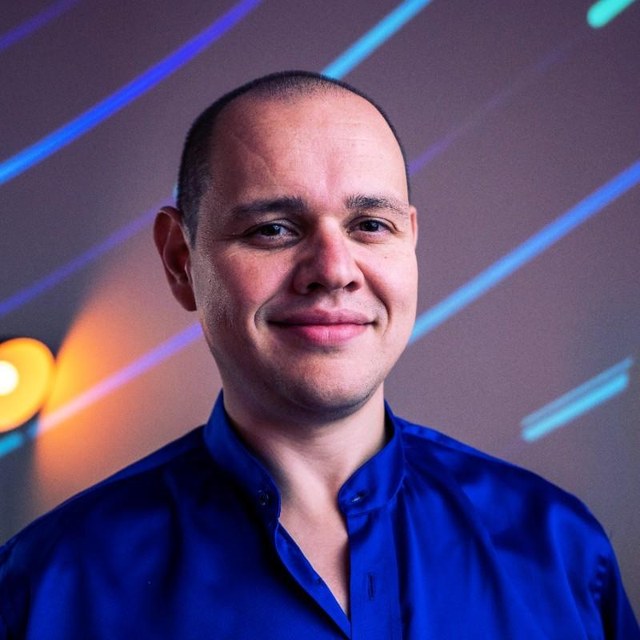
Indrek Põldvee
B2B sales and lead generation on LinkedIn. Works on M&A deals and investments.
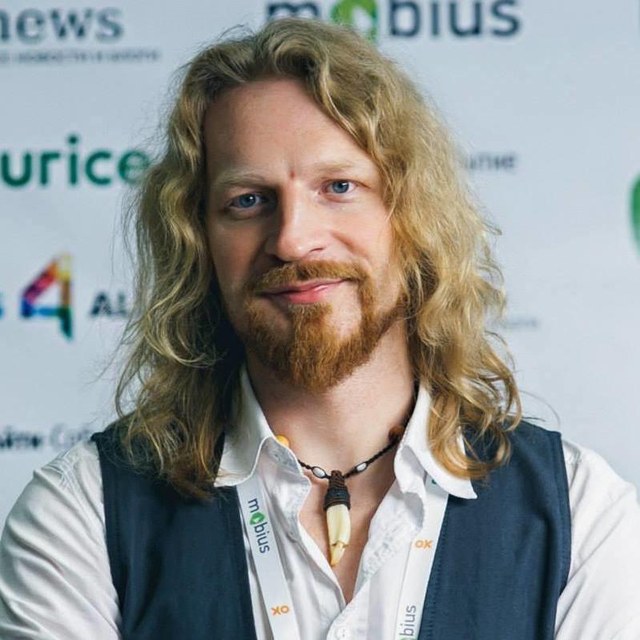
Anton Keks
Co-founder of a software company. Author of Angry IP Scanner. University lecturer.
How does your company really work?
Leave your details and Ragmar will call you back. We’ll tell you straight whether we can help.
How it works
The same process in all three situations: before a purchase, after a purchase and before a sale.
Interview, check, report.
Interview
We talk to the owner, managers and specialists. We ask how the work really runs and who knows what.
Check
We compare the answers with each other and with existing documents. If two people describe the same thing differently, we ask again.
Report
We write down where the knowledge sits. Each topic gets one of three marks: write down now, automate or in place.
Each question comes from the last answer.
The person we talk to does not need to install or learn anything. Our team reviews every finding.
The knowledge is written down and stays in the company.
- A knowledge map: who knows what and where it is written down.
- A list of topics worth writing down now.
- Repetitive tasks that can be automated.
- An action plan: each item with an action and an owner.
Written-down knowledge also helps when someone new joins.
Let’s talk for 30 minutesQuestions and data
What happens to your data, and answers to common questions.
What happens to your data
Some of this is done, some we are still building. The status column says which.
| Topic | Our approach | Status |
|---|---|---|
| Data separation | Our approachEach company’s data is kept separate. Only authorised people have access. | StatusIn progress |
| AI training | Our approachThird-party models are not trained on your data. | StatusPolicy |
| Hosting | Our approachEU hosting, portable to another provider. | StatusPlanned |
| AI models | Our approachWe can switch language models. We don’t depend on one provider. | StatusPlanned |
| Traceability | Our approachEvery finding links to its source and review status. | StatusIn progress |
| Human review | Our approachPeople validate findings. The system does not make decisions. | StatusIn place |
| GDPR | Our approachLawful basis and agreements with suppliers. | StatusIn progress |
| EU AI Act | Our approachIntended use and user roles documented. Obligations reviewed with legal counsel. | StatusIn progress |
| Cross-company insights | Our approachWe compare across companies only with anonymised data and only with your permission. We first check that no one can be identified. | StatusPlanned |
We do not currently hold ISO 27001 or SOC 2 certification.
Frequently asked questions
I was invited to an interview. What is it?
Good. We want to hear how your work really runs. What you know gets written down, so repetitive work gets simpler. That gives you more time for the work you actually enjoy.
Does Xhive tell us whether to buy?
No. We show how the work really runs and where the knowledge sits. The decision is yours.
Who do you talk to?
The owner, managers and specialists. Who and when is agreed before we start.
What do employees get out of it?
Their knowledge is written down and repetitive work gets simpler. That gives them more time for the work they actually enjoy.
We have documents and a data room. Isn’t that enough?
Documents show what is written down. We add what people know but nobody has written down yet. We use the documents as input.
Why are the interviews not anonymous?
The map has to show who to ask about what. People know why we talk to them before we start. Only the people named in the agreement see names.
Who can see the interviews?
Only the people agreed before we start. Each company’s data is kept separate.
What happens to the result?
The map and the written-down knowledge stay with the company.
Will anyone learn that we are looking at a deal?
We don’t mention your name or your deal without written permission. We sign a confidentiality agreement before we discuss the deal.
Does the AI make decisions?
No. Our team reviews the findings, you make the decisions.
Where is our data stored?
We plan to host in the EU. The exact provider and location go into the agreement.
Is our data used to train AI?
No. Third-party models are not trained on your data.
Are you certified?
Not yet. We are a young company. The table above shows what is done and what is in progress.